ISO Certification for the Energy Industry
Strengthen operational performance, environmental responsibility, workplace safety and energy efficiency with management system certification services tailored to energy-sector organisations.
RICL provides management system certification services for eligible organisations across conventional power generation, renewable energy, electricity distribution, energy infrastructure and related engineering activities.
Build a More Efficient, Safe and Sustainable Energy Business
Energy organisations operate in a demanding environment where reliability, resource efficiency, environmental performance and occupational health and safety are important business priorities.
RICL provides management system certification services for eligible organisations across conventional power generation, renewable energy, electricity distribution, energy infrastructure and related engineering activities.
The right management system can help your organisation establish consistent processes, identify operational risks, improve accountability and demonstrate its commitment to continual improvement.
Enquire About Certification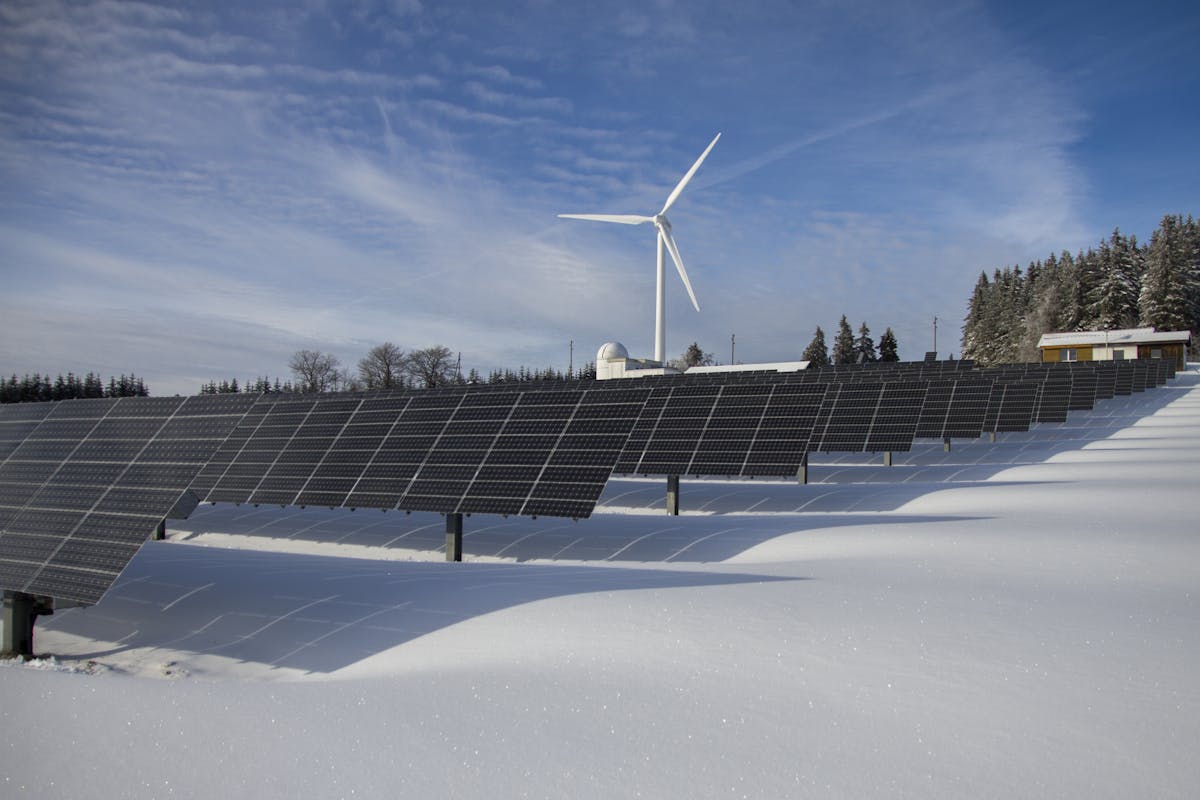
ISO management system certification does not replace statutory energy approvals, electrical safety requirements, grid approvals, environmental permissions or other sector-specific authorisations. Organisations should verify the applicable legal and regulatory requirements separately.
Energy Sectors We Support
Management system certification options depend on your organisation's activities, operational boundaries and applicable certification scope.
Power Generation
Management systems for eligible thermal power plants, electricity generation facilities and supporting engineering organisations.
Renewable Energy
Support for solar, wind and other renewable energy businesses seeking structured quality, environmental and energy management processes.
Electricity Utilities
Management system approaches for eligible electricity transmission, distribution, utility and service organisations.
Electrical Equipment
Quality and operational management for manufacturers of electrical equipment, components and power-related systems.
Energy Engineering
Management systems for engineering, installation, maintenance and technical service providers working in the energy sector.
Energy Storage
Relevant management system options for battery storage, energy storage equipment and associated infrastructure businesses.
Address Key Operational and Compliance Challenges
Energy-sector organisations must manage complex processes, equipment, resources and risks while meeting customer, contractual and applicable regulatory expectations.
- Energy Performance: Identify opportunities to improve energy use, establish performance indicators and monitor significant energy consumption.
- Environmental Impact: Establish processes to manage relevant environmental aspects, resource use, waste and operational impacts.
- Workplace Health and Safety: Improve hazard identification, risk controls, worker participation and occupational safety management.
- Operational Consistency: Strengthen documented processes, responsibilities, monitoring, corrective action and continual improvement.

ISO Certification for Energy Companies
Explore management system standards relevant to energy organisations. The appropriate standard depends on your activities, objectives and certification scope.
ISO 50001 – Energy Management
Helps organisations establish processes for monitoring energy performance, setting objectives and improving energy use.
- Energy consumption monitoring
- Significant energy use identification
- Energy performance indicators
ISO 9001 – Quality Management
Provides a framework for managing operational processes, service quality, customer requirements and continual improvement.
- Operational process control
- Customer requirements
- Performance evaluation
ISO 14001 – Environmental Management
Helps organisations manage environmental aspects and improve environmental performance across relevant operations.
- Environmental aspects and impacts
- Waste and resource management
- Applicable compliance obligations
ISO 45001 – Occupational Health and Safety
Provides a framework for identifying workplace hazards, managing occupational risks and improving worker safety.
- Hazard identification
- Occupational risk controls
- Worker participation and awareness
ISO 22301 – Business Continuity
Helps organisations prepare for disruptions that may affect critical operations, infrastructure and service delivery.
- Business impact analysis
- Critical activity identification
- Continuity and recovery planning
ISO/IEC 27001 – Information Security
Relevant to energy organisations managing operational technology, digital infrastructure, business information and sensitive data.
- Information security risk assessment
- Access and information controls
- Protection of sensitive information
ISO 55001 – Asset Management
Relevant to organisations managing significant physical assets, infrastructure, equipment and asset-related lifecycle activities.
- Asset lifecycle management
- Asset performance and risks
- Maintenance and operational planning
Integrated Management System
Combines applicable management system requirements into a coordinated framework where an organisation implements multiple standards.
- Integrated management processes
- Coordinated objectives and controls
- Combined system monitoring
Not every listed standard is applicable to every energy organisation. The appropriate standard and certification scope depend on the organisation's activities, operational boundaries and applicable requirements.
Additional Services for Energy Organisations
Energy organisations may require additional assessment, inspection, testing and training services depending on their activities and applicable requirements.
Inspection Services
Inspection of eligible equipment, facilities and operational requirements against defined inspection criteria.
Product Testing
Relevant product safety, quality and performance testing through applicable testing capabilities and agreed requirements.
Training Programmes
Management system awareness and auditor training programmes, subject to course availability and defined scope.
Supplier Assessment
Assessment of relevant supplier processes, capabilities and documentation against defined evaluation requirements.
Inspection, product testing, training and supplier assessment are distinct activities from management system certification. Their availability and applicable scope should be confirmed separately.
Benefits of ISO Certification for the Energy Sector
A well-implemented management system can help organisations improve performance and demonstrate a structured commitment to their business objectives.
Improved Energy Performance
Monitor energy use, establish objectives and identify opportunities for more efficient operations.
Better Risk Management
Establish systematic approaches to identifying and addressing relevant operational and business risks.
Environmental Responsibility
Strengthen the management of environmental aspects and support continual improvement in environmental performance.
Workplace Safety
Improve processes for hazard identification, risk control and occupational health and safety management.
Customer Confidence
Demonstrate conformity to the requirements of the applicable certified management system within its scope.
Continual Improvement
Use objectives, monitoring, audits and corrective actions to improve management system effectiveness.
Strengthen Your Energy Management Systems with RICL
Management System Certification for Energy Organisations
Royal Impact Certification Limited (RICL) provides management system certification services within its applicable certification scope. Energy organisations can enquire about standards relevant to their activities, operational requirements and business objectives.
The certification scope should reflect the organisation's actual activities, locations, processes and applicable management system requirements.
- Consideration of relevant energy-sector activities
- Clarification of the intended certification scope
- Identification of applicable management system standards
- Defined certification requirements and assessment criteria
- Communication about the applicable certification process
Explore Other ISO Management System Standards
Depending on your organisation's activities and objectives, other management system standards may also be relevant.
ISO 9001
Quality Management System for process consistency, customer satisfaction and continual improvement.
Explore StandardISO 14001
Environmental Management System for managing environmental aspects and relevant obligations.
Enquire About StandardISO 45001
Occupational Health and Safety Management System for addressing workplace hazards and risks.
Enquire About StandardISO 50001
Energy Management System for monitoring and improving energy performance.
Enquire About StandardEnergy Industry Certification Process in India
The Energy Industry certification process in India follows a structured approach involving application review, audit activities, evaluation of findings, and a certification decision based on applicable requirements.

 01
Application Submission
Submit your organization details, proposed certification scope, locations, and relevant information.
 02
Application Review
Review the application, certification scope, applicable requirements, and audit arrangements.
 03
Audit Stage 1 & 2
Conduct the applicable audit activities to evaluate the implementation and effectiveness of the management system.
 04
Findings & Certification Decision
Address any nonconformities as required. Certification is granted only after the applicable review and approval.
Energy Industry ISO Certification FAQs
Find answers to common questions about management system certification for energy businesses.
Ask Our TeamISO 50001 is relevant to energy management, while ISO 9001, ISO 14001 and ISO 45001 address quality, environmental management and occupational health and safety respectively. ISO 22301, ISO/IEC 27001 and ISO 55001 may also be relevant depending on the organisation’s activities and objectives.
ISO 50001 specifies requirements for an energy management system. It helps organisations establish processes for monitoring energy performance, setting objectives and pursuing continual improvement.
Renewable energy organisations can explore applicable management system certification options. The suitable standard and scope depend on whether the organisation develops, manufactures, installs, operates or maintains renewable energy systems.
Not universally. Requirements may arise from customer contracts, tenders, sector-specific obligations or business objectives. Organisations should verify applicable legal and contractual requirements.
The timeline depends on the applicable standard, organisation size, locations, complexity, readiness and audit arrangements. A more accurate estimate can be provided after reviewing your requirements.
No. ISO management system certification does not replace statutory licences, electrical safety requirements, grid approvals, environmental permissions or other sector-specific authorisations.
An organisation may pursue more than one management system standard when the standards are relevant to its activities and objectives. The applicable certification scopes and assessment arrangements must be established for each standard.
Contact RICL with details of your organisation’s activities, locations, operational scope and intended standards. The relevant certification options and applicable requirements can then be discussed.